
When Microsoft upgraded more than 30,000 devices across its offices, it faced a critical decision that would impact its bottom line by millions of dollars. Should they simply recycle the equipment or pursue a more strategic approach? The company chose an ITAD provider who refurbished 85% of the equipment, demonstrating the stark difference between basic recycling and comprehensive IT asset disposition (ITAD).
This decision highlights a crucial reality: outdated equipment may still have 15-30% of its original value, but only if your organization understands the key differences between ITAD and recycling. Companies that rely on ITAD services can reduce costs by 35% or more compared to traditional recycling, while also ensuring data security and regulatory compliance.
Overview of IT Asset Disposal
IT asset disposal represents a critical business decision that extends far beyond simply discarding outdated equipment. Organizations must navigate complex considerations, including data security, regulatory compliance, environmental responsibility, and value recovery when retiring IT assets.
Modern enterprises generate substantial volumes of electronic waste through routine technology refreshes. The chosen disposal directly affects whether organizations recover value, maintain security, and meet compliance obligations.
Why the Right Disposal Method Matters
Understanding the differences between ITAD and recycling is essential when considering the disposal strategies for retired IT equipment. Improper disposal can result in financial loss, compliance risk, or environmental harm.
Key decision-making factors include:
- Data sensitivity: requiring secure destruction protocols
- Asset value: determining resale or refurbishment potential
- Regulatory compliance: aligning with federal, state, and industry mandates
- Environmental impact: supporting corporate sustainability initiatives
- Cost considerations: balancing disposal fees with value recovery opportunities
Evaluating these variables helps organizations determine the optimal disposal method for each asset category.
What is IT Asset Disposition?
Understanding IT asset disposition is crucial for organizations seeking to maximize value and ensure data security during equipment retirement. ITAD represents a comprehensive approach that goes far beyond simple disposal.
Secure Handling of Outdated Equipment
IT asset disposition encompasses the end-to-end management of retired IT equipment from initial collection through final disposition, emphasizing data protection, value recovery, and regulatory compliance.
Professional ITAD providers implement systematic processes designed to secure sensitive data while optimizing financial returns. These include secure transportation, certified data destruction, and strategic remarketing.
Emphasis on Data Security
Data security is the primary differentiator between ITAD and traditional recycling services. ITAD providers follow rigorous protocols that ensure the complete destruction of sensitive information.
Standard ITAD security measures include:
- Certified data destruction
- Chain of custody documentation
- Secure transportation
- Personnel screening
- Compliance verification
Maximizing Asset Recovery and Value
Asset valuation and revenue recovery are core components of professional ITAD services. Providers assess equipment condition, market demand, and refurbishment potential to determine the most effective disposition methods.
Value recovery strategies include:
- Equipment refurbishment: restoring functionality for resale markets
- Asset remarketing: optimizing sales channels and pricing strategies
- Component harvesting: recovering valuable parts for reuse in spare inventory
- Material recovery: extracting valuable metals and recyclable materials
Organizations that implement comprehensive ITAD programs report significant cost savings and new revenue opportunities.
What is E-Waste Recycling?
While ITAD focuses on secure asset management, e-waste recycling takes a different approach, one centered on environmental stewardship and raw material recovery.
Breakdown of Electronics for Raw Material Recovery
Electronics recycling focuses primarily on the sequential process of dismantling computer hardware and other devices to recover valuable materials for manufacturing new products.
Traditional recycling providers disassemble electronics into metals, plastics, and reusable materials that can be processed through material recovery facilities.
Environmental Conservation Focus
The primary objective of e-waste recycling is environmental protection. These programs support circular economy principles through waste diversion, material reuse, and pollution reduction.
Key environmental advantages include:
- Waste reduction
- Material conservation
- Energy savings
- Pollution prevention
- Sustainability reporting
Reducing Landfill Waste
Landfill diversion is a major benefit of electronics recycling. Proper disposal prevents hazardous materials from entering landfills, where they could contaminate soil and groundwater systems.
Key Differences Between ITAD and Recycling
Recognizing the fundamental distinctions between these two approaches empowers organizations to make informed decisions about IT asset disposal strategies.
Core Objectives: Data Security vs. Raw Material Recovery
The primary distinction between ITAD and recycling lies in their core objectives. ITAD services prioritize data security, value recovery, and comprehensive asset management, while recycling services focus on environmental conservation and material recovery.
ITAD objectives include:
- Data protection
- Value maximization
- Compliance assurance
- Risk mitigation
- Asset optimization
Recycling objectives include:
- Environmental protection
- Material recovery
- Waste reduction
- Regulatory compliance
- Sustainability support
Processes Involved in Each Method
ITAD and recycling services follow fundamentally different workflows based on their respective goals.
ITAD process components:
- Secure pickup with chain of custody documentation
- Asset evaluation to determine functionality and market value
- Data sanitization using approved destruction methods
- Refurbishment to restore equipment for resale or internal use
- Strategic disposition to optimize financial returns through multiple channels
Recycling process components:
- Collection of electronic equipment for downstream processing
- Sorting by materials type and composition
- Dismantling of devices into component materials
- Material processing to prepare recovered resources for reuse
- Environmental compliance to safely handle hazardous materials
Benefits of ITAD
Professional ITAD services deliver benefits that extend beyond basic disposal, providing organizations with secure, compliant, and financially advantageous asset retirement strategies.
Ensuring Equipment’s Lifetime Value
ITAD services extend equipment value through expert evaluation and strategic disposition methods. Organizations often report substantial value from retired assets with some providers achieving refurbishment rates above 90%.
Facilitating Secure Data Destruction
Secure data destruction is a central pillar of ITAD. Certified providers implement destruction protocols that support:
- Risk mitigation
- Regulatory compliance
- Legal protection
- Peace of mind
- Reputation preservation
Potential Financial Returns Through Resale and Reuse
Revenue recovery is a major advantage of ITAD services. Organizations can recover significant value by reselling refurbished equipment or harvesting reusable components.
Benefits of Recycling
Electronics recycling provides unique advantages for organizations focused on sustainability and environmental compliance.
Effective Environmental Conservation
Recycling reduces e-waste and supports long-term environmental goals through waste diversion, resource conservation, and pollution prevention.
Market for Recovered Raw Materials
The growing demand for reclaimed materials, plastics, and electronic components creates strong economic incentives for recycling programs.
Contribution to Circular Economy
Recycling supports circular economy models by keeping materials in productive use, reducing reliance on raw extraction, and closing the loop on electronic waste.
When to Choose ITAD Over Recycling
Certain organizational circumstances and asset characteristics make ITAD the optimal choice for maximizing value and ensuring secure, compliant disposal.
Situations Requiring Secure Data Erasure
ITAD is essential when organizations must eliminate sensitive or regulated data from retired devices. This includes:
- High data sensitivity, including protected health information (PHI), personally identifiable information (PII), or proprietary information
- Strict regulatory compliance requirements (HIPAA, GDPR, SOX)
- High-value assets where secure refurbishment or resale is possible
- Internal security protocols that require full audit traceability
- Low tolerance for risk, including reputational or legal exposure
Scenarios with Potential for Equipment Reuse
Organizations should choose ITAD when assets retain functional value or have remarketing potential. This includes equipment that is:
- Recently decommissioned due to tech upgrades
- In good physical condition with resale potential
- Eligible for refurbishment, part harvesting, or redeployment
When to Opt for Recycling Over ITAD
Certain scenarios may favor electronics recycling—especially when environmental priorities outweigh value recovery potential.
Instances with Emphasis on Material Recovery
Recycling services are suitable when equipment is:
- Non-functional, obsolete, or damaged beyond repair
- Containing valuable raw materials (metals, plastics)
- Ineligible for resale or secure refurbishment
Cases with Minimal Data Security Concerns
Recycling is also viable when:
- Equipment contains no sensitive or regulated data
- Devices are wiped or stripped prior to recycling
- Documentation protocols still meet audit needs
However, organizations should still validate secure handling protocols to prevent unintended data exposure.
A Combined Approach: Blending ITAD and Recycling
The most effective IT asset disposal strategies often incorporate elements of both ITAD and recycling to align with asset condition, risk tolerance, and sustainability goals..
Leveraging Both Methods for Optimal Disposal
Organizations can implement flexible, scalable disposal programs by combining both services. A strategic blend offers:
- Optimization: Align the method with each asset’s lifecycle and condition
- Flexibility: Meet evolving business, compliance, and sustainability needs
- Efficiency: Streamline asset handling, tracking, and reporting
- Compliance: Satisfy audit and regulatory requirements
- Value maximization: Recover resale value while minimizing waste
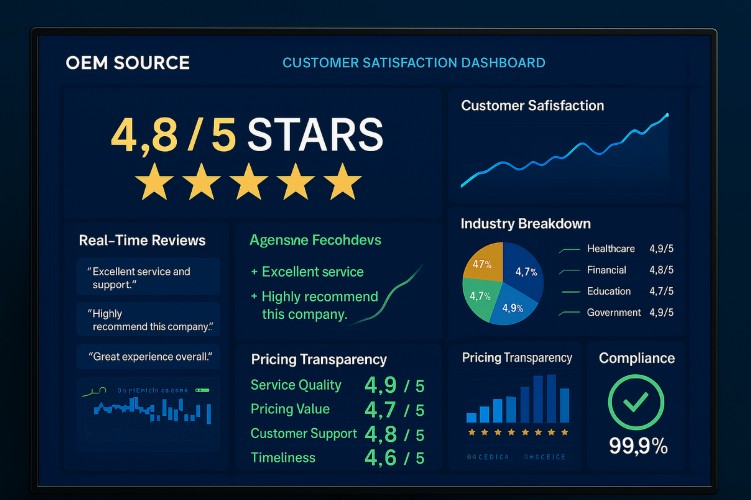
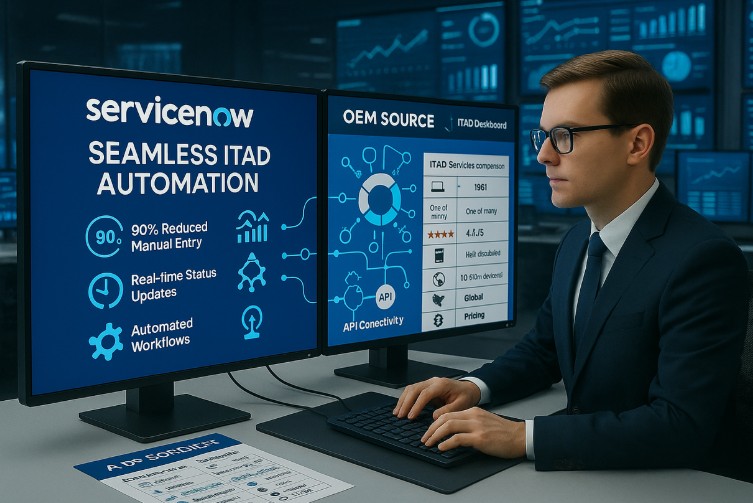
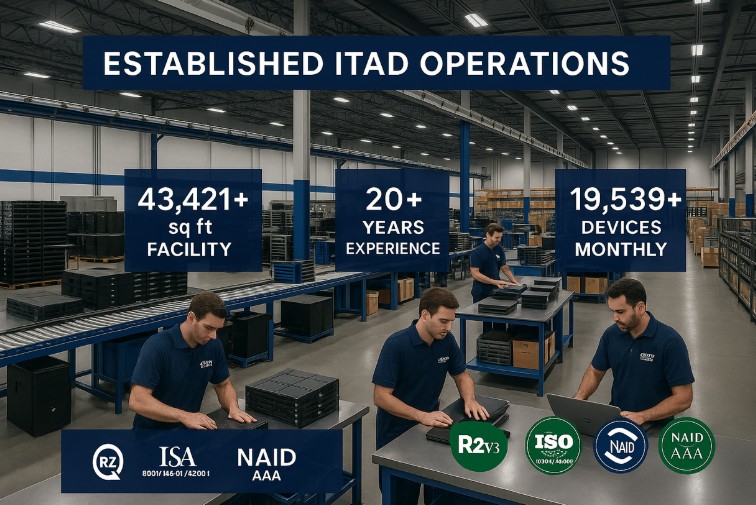
OEM Source exemplifies this comprehensive approach, offering both certified ITAD and responsible recycling services.
Build a Smarter IT Asset Disposal Strategy
Whether you’re upgrading infrastructure, clearing out old assets, or tightening compliance protocols, the decision between ITAD and recycling isn’t binary. It’s strategic.
By understanding the distinct goals and benefits of each method—and knowing when to apply them—you can protect sensitive data, maximize value recovery, and uphold environmental responsibility.
Ready to optimize your IT asset disposal strategy? Contact OEM Source’s data destruction services to learn how our ITAD and electronics recycling services deliver end-to-end protection, value, and compliance—every step of the way.
Frequently Asked Questions
What is ITAD in recycling?
ITAD (IT Asset Disposition) refers to the comprehensive management of retired IT equipment through secure data destruction, value recovery, and certified recycling. Unlike basic recycling, ITAD prioritizes data security, audit documentation, and asset valuation, making it a more strategic and compliant approach to equipment disposal.
What is the difference between the recycling rate and the diversion rate?
Recycling rate measures the percentage of materials actually processed into new products, while diversion rate measures the percentage of waste diverted from landfills through recycling, reuse, or energy recovery. ITAD programs contribute to both metrics by refurbishing devices and responsibly recycling unusable materials.
What are the three different types of recycling?
The three primary types of recycling include:
- Mechanical recycling: physical breakdown of components for reuse
- Chemical recycling: molecular-level processing of materials
- Energy recovery: converting waste into usable energy
ITAD services primarily leverage mechanical recycling for electronics that are beyond repair or resale.
What is surprisingly not recyclable?
Many electronic components, including circuit boards, mixed-material assemblies, and devices with embedded batteries, require specialized handling rather than recycling. This makes it essential to work with certified ITAD providers like OEM Source, who can ensure compliant handling and documentation.
How does ITAD help with compliance and risk management?
ITAD providers like OEM Source offer certified data destruction, chain of custody tracking, and regulatory documentation, helping organizations meet requirements under HIPAA, GDPR, SOX, and other frameworks. This reduces the risk of data breaches, fines, or audit failures during asset retirement.